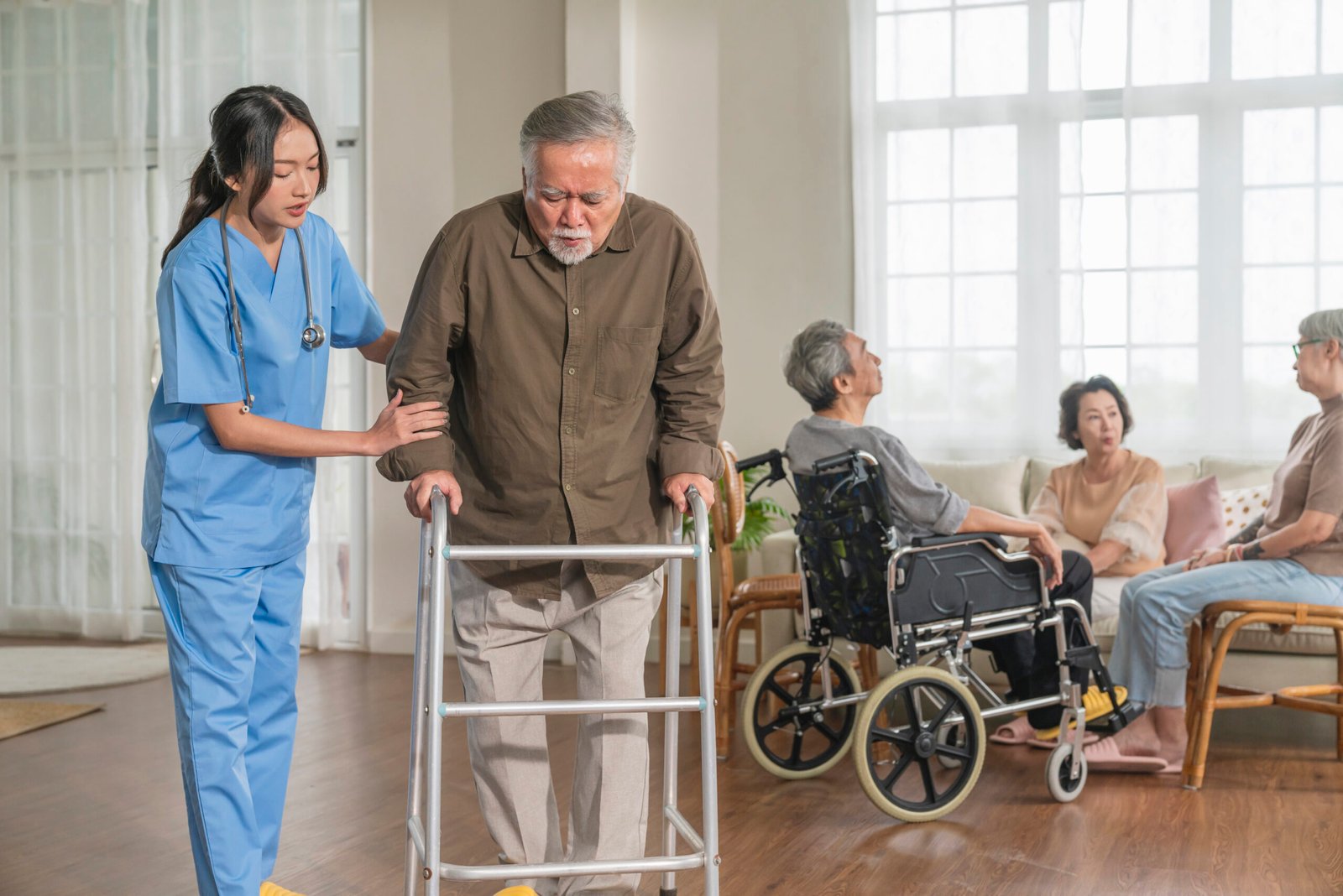
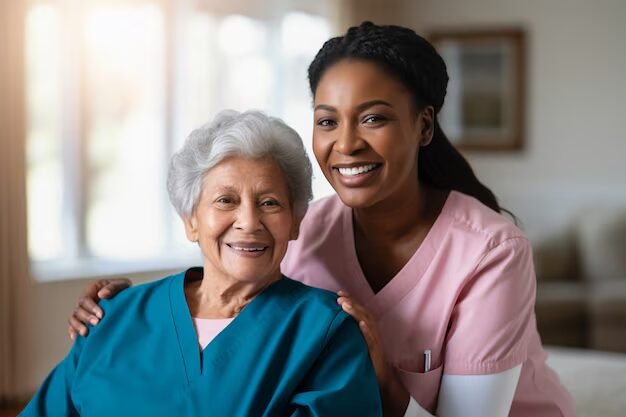
Home nursing services in Trinidad and Tobago have become an essential aspect of healthcare, particularly for those who require continuous medical attention but prefer the comfort of their own homes. With a growing elderly population and a rising number of individuals managing chronic conditions, the demand for professional home healthcare is increasing. Caribbean Home Nursing, a leading provider in this space, offers a range of services aimed at improving the quality of life for patients while offering peace of mind to their families.
Why Choose Home Nursing Services?
Home nursing offers personalized care that adapts to the unique needs of each patient. It enables individuals to recover from illnesses or manage chronic conditions in the familiar surroundings of their home, avoiding the stress associated with hospital stays. Furthermore, home healthcare minimizes the risk of hospital-acquired infections, which is especially crucial for those with weakened immune systems or who are recovering from surgery.
In Trinidad and Tobago, home nursing services can be tailored to meet various healthcare needs, including geriatric care, post-surgery recovery, palliative care, and support for patients with conditions like dementia or diabetes. The availability of trained professionals ensures that patients receive not only medical attention but also emotional and psychological support.
Key Services Offered by Caribbean Home Nursing
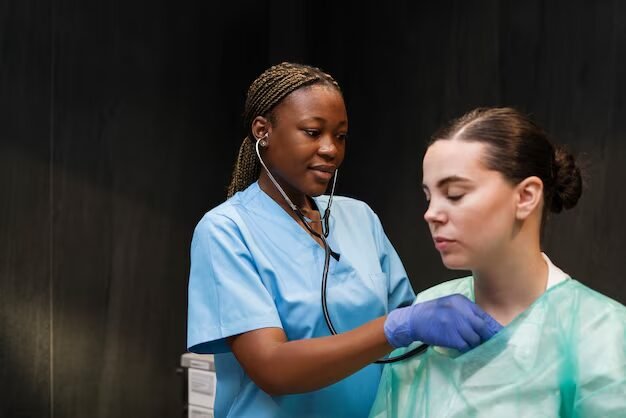
Geriatric Care
Elderly patients require specialized attention that addresses both their physical and emotional needs. Geriatric care focuses on providing comprehensive medical and non-medical services to help seniors live independently while managing age-related conditions. Services include assistance with daily activities, medication management, physical therapy, and health monitoring.
In Trinidad and Tobago, where family ties are strong, geriatric care allows families to feel reassured that their loved ones are being well-cared for, even when they cannot be present 24/7.
Dementia and Alzheimer’s Care
Caring for individuals with dementia or Alzheimer’s requires patience, empathy, and specialized knowledge. These conditions often lead to behavioral changes, memory loss, and confusion, making daily living difficult for both the patient and their family. Home nursing services provide caregivers trained to handle the complexities of these conditions, offering support with daily activities, ensuring safety, and engaging patients in activities that stimulate mental health.
Trinidad and Tobago’s healthcare system benefits greatly from these services as they reduce the burden on hospitals and long-term care facilities while providing high-quality care at home.
Diabetes Management
Managing diabetes requires regular monitoring of blood sugar levels, proper medication administration, and maintaining a healthy lifestyle. For patients who struggle with mobility or who are recovering from diabetic-related complications, having a home nurse can make all the difference. Caribbean Home Nursing offers specialized diabetic care, ensuring patients adhere to their treatment plans and maintain optimal health.
Wound Care
Wound care is a critical component of post-surgical recovery or for those dealing with chronic conditions like diabetes that impair healing. A home nurse assesses the wound, applies appropriate dressings, and monitors for signs of infection. In Trinidad and Tobago, where some patients may have difficulty accessing frequent hospital care, home-based wound care offers a convenient and effective solution.
Palliative Care
Palliative care focuses on improving the quality of life for patients with serious illnesses. This type of care addresses not only physical symptoms but also emotional, spiritual, and social concerns. Caribbean Home Nursing provides compassionate palliative care that supports both the patient and their family through difficult times, ensuring that the patient’s comfort is prioritized.
Post-Hospitalization Care
The transition from hospital to home can be challenging, especially for patients recovering from major surgeries or illnesses. Home nursing services ensure a smooth transition by assisting with medication management, mobility, wound care, and rehabilitation exercises. This service helps prevent complications and readmissions to the hospital, providing a more seamless recovery process.
Hospital Sitters and Companion Care
For patients who require hospitalization, having a hospital sitter ensures they are never alone during their stay. Companion care, on the other hand, focuses on providing support at home, helping with tasks like housekeeping, meal preparation, and daily activities. This type of care is particularly valuable for elderly individuals who may not require medical attention but need help with day-to-day tasks to maintain their independence.
The Benefits of Home Nursing Services
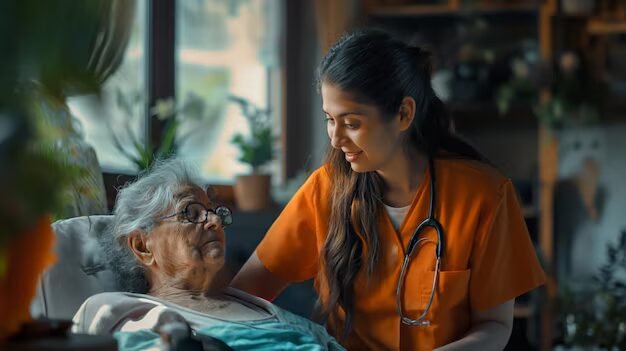
Personalized Care
Home nursing services are tailored to the unique needs of each patient, ensuring they receive the appropriate care at the right time. Unlike hospitals, where nurses must attend to many patients, home nurses can focus entirely on one individual, leading to more effective and compassionate care.
Comfort and Familiarity
Being at home allows patients to remain in an environment where they feel most comfortable. Familiar surroundings can promote emotional well-being, reduce anxiety, and improve recovery outcomes, especially for elderly patients or those with dementia.
Cost-Effective Care
Home nursing can often be more cost-effective than extended hospital stays. By receiving care at home, patients can avoid the high costs associated with hospitalization while still receiving professional medical attention.
Enhanced Independence
For many patients, especially seniors, maintaining independence is essential. Home healthcare allows them to continue living in their homes while receiving the assistance they need. This can have a significant positive impact on their mental and emotional well-being.
Family Involvement
Home nursing encourages family involvement in the patient’s care. Nurses often work closely with family members to ensure they are informed about the patient’s condition and treatment plan. This collaboration can lead to better health outcomes and provide families with peace of mind.
Home Nursing and the Healthcare System in Trinidad and Tobago
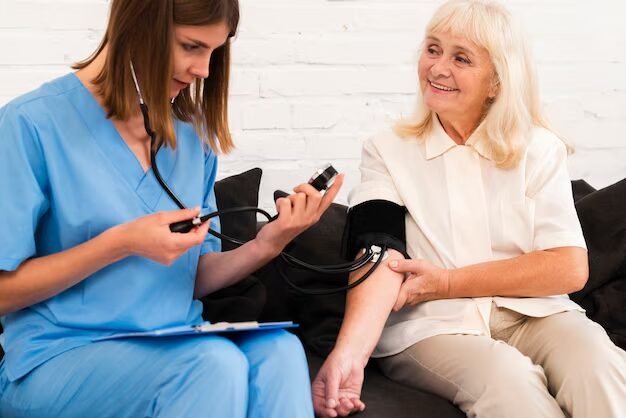
In Trinidad and Tobago, home nursing services complement the existing healthcare system by reducing the burden on hospitals and long-term care facilities. As healthcare infrastructure continues to evolve, home nursing is becoming an integral part of the overall care continuum, offering patients an alternative to institutional care.
The government of Trinidad and Tobago has recognized the importance of home-based care, especially for the elderly population, and is working towards enhancing healthcare services that support aging in place. Home nursing services play a critical role in this by allowing patients to receive high-quality care without leaving their homes.
Choosing the Right Home Nursing Service in Trinidad and Tobago
Selecting a home nursing service is a crucial decision that can impact the well-being of both the patient and their family. When choosing a provider in Trinidad and Tobago, consider the following factors:
Experience and Credentials
Ensure that the nurses and caregivers are certified and have experience in managing the specific needs of the patient, whether it’s geriatric care, dementia support, or post-surgical recovery.
Comprehensive Care Plans
Look for a service that offers personalized care plans tailored to the patient’s medical and non-medical needs. A comprehensive care plan should include medication management, health monitoring, assistance with daily activities, and emotional support.
Availability and Flexibility
Home nursing services should be available 24/7 to meet the needs of patients at any time. Flexibility is key, especially when patients require sudden changes in their care routine due to health fluctuations.
Communication and Support
A reliable home nursing service will maintain open lines of communication with both the patient and their family. Regular updates on the patient’s condition and any changes to the care plan are essential for peace of mind.
Cultural Sensitivity
Trinidad and Tobago is a diverse country with a rich cultural heritage. Home nursing providers should be sensitive to the cultural and religious needs of their patients, ensuring that care is delivered in a respectful and inclusive manner.
Future of Home Nursing Services in Trinidad and Tobago

As Trinidad and Tobago continues to adapt to the changing healthcare needs of its population, home nursing services will play an increasingly important role. With the advancement of technology, home care providers can now offer more sophisticated services, such as telemedicine, remote health monitoring, and virtual consultations with doctors and specialists.
The future of home nursing in Trinidad and Tobago looks promising, as more people recognize the benefits of receiving healthcare in the comfort of their own homes. As demand for these services grows, so too will the options available to patients and their families.
FAQ Based on Home Nursing services in Trinidad and Tobago
Q. What is home nursing?
Ans. Home nursing provides medical and non-medical care to individuals in the comfort of their own homes, tailored to each patient’s needs.
Q. Who benefits from home nursing services?
Ans. Elderly patients, individuals recovering from surgery, those with chronic illnesses, and people needing palliative care benefit from home nursing.
Q. What types of care are offered by Caribbean Home Nursing?
Ans. Services include geriatric care, dementia care, diabetes management, wound care, post-hospitalization support, and palliative care.
Q. Can I get 24/7 care?
Ans. Yes, home nursing services are available around the clock, offering flexible schedules to meet patient needs.
Q. What is the difference between companion care and medical care?
Ans. Companion care helps with daily activities like cooking and cleaning, while medical care focuses on health monitoring, medication management, and medical procedures.
Q. How do home nurses help with diabetes management?
Ans. Home nurses assist with monitoring blood sugar levels, medication administration, and promoting a healthy lifestyle.
Q. Is home nursing more cost-effective than hospitalization?
Ans. Yes, home nursing can be more affordable than extended hospital stays, offering high-quality care at home.
Q. What qualifications do the nurses have?
Ans. Nurses are certified and experienced in various areas, including geriatric care, post-surgery recovery, and chronic condition management.
Q. Do home nurses handle palliative care?
Ans. Yes, Caribbean Home Nursing provides compassionate palliative care for patients with serious illnesses, focusing on comfort and quality of life.
Q. How does home nursing support family members?
Ans. Home nursing involves families in the care process, offering peace of mind by providing updates and collaborating on treatment plans.
Final Thought on Home Nursing services in Trinidad and Tobago
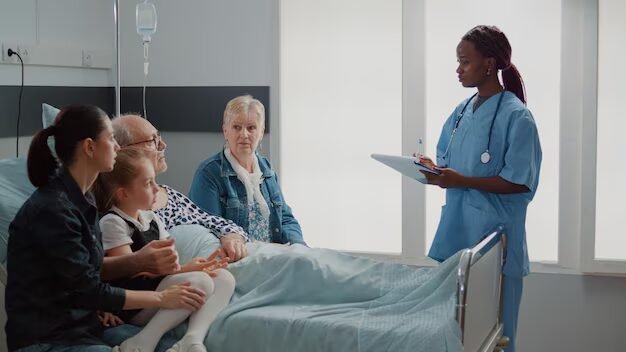
Home nursing services in Trinidad and Tobago offer a valuable alternative to hospital and institutional care. By providing personalized, compassionate care in the comfort of a patient’s home, these services enhance the quality of life for individuals dealing with chronic conditions, post-surgical recovery, or age-related challenges. Whether it’s geriatric care, dementia support, or wound management, home nursing ensures that patients receive the attention they need while maintaining their independence and dignity.
Caribbean Home Nursing stands out as a leader in this field, offering a wide range of services tailored to meet the needs of patients and their families. With a focus on quality, compassion, and professionalism, home nursing services in Trinidad and Tobago are set to continue playing a vital role in the healthcare landscape. Whether you are seeking care for yourself or a loved one, home nursing offers a personalized, cost-effective solution that promotes healing and well-being.